
Glendronach
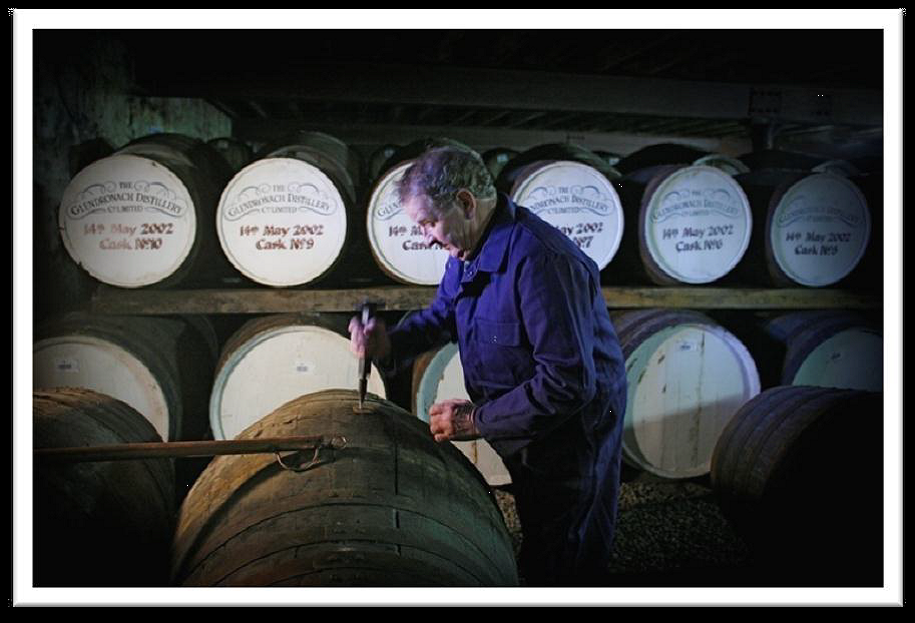
When Glendronach first opened its doors in 1826, many Scottish single malts were matured in Spanish sherry casks. However over the years the ever-increasing rarity and price (they are over 10 times as expensive as ‘standard’ barrels) has seen a major switch to American bourbon barrels by the whisky industry. Indeed today there are perhaps only two distilleries that can truly be classified as ‘sherry maturation’ houses and only one where 100% of the single malt sold still enjoys its primary maturation exclusively in sherry casks. Glendronach is proud to be that distillery.
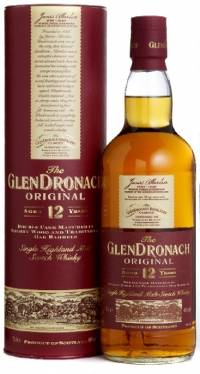
The chosen one: GLENDRONACH “ORIGINAL” 12 YEAR OLD SINGLE MALT SCOTCH WHISKY
My Impressions:
Initial flavours of cherry followed by sweet toffee and roasted nuts.
From the company website:
This superb richly sherried single malt is matured for at least 12 years in a combination of the finest Spanish Pedro Ximenez and Oloroso sherry casks. Non-chill filtered and with no added colours. Warm, rich oak and sherry sweetness, full mouth feel, raisins and soft fruits. Spicy with medium length and a dry finish.
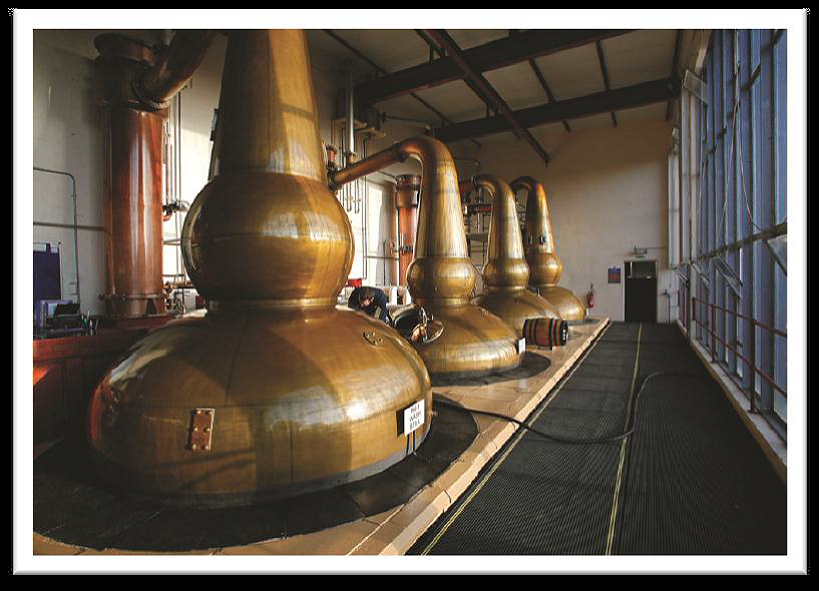
A little about the distillery:
1. Why did the distillery decide to mature the whisky’s in sherry casks?
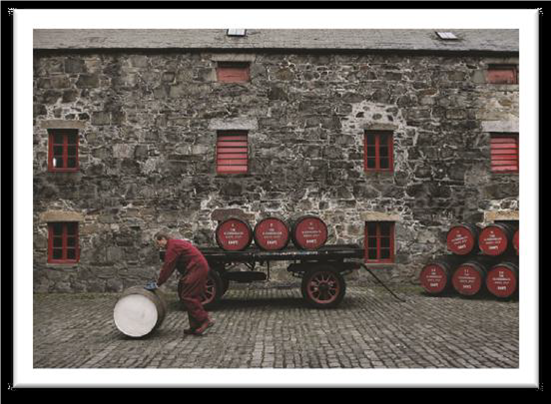
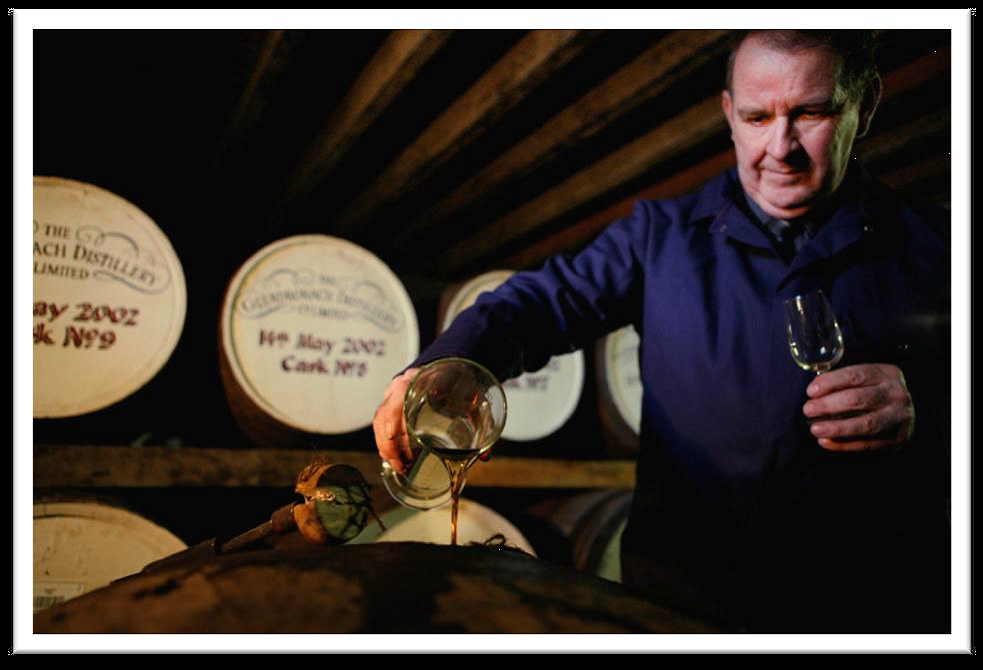
With the purchase of the distillery there was pre – existing Sherry cask material dating back to 1965, this coupled with Billy Walker (master distiller of 40 years) being involved in the venture saw an opportunity to return the GlenDronach to its former glory and true style….hence the names we see on the core expressions 12 YO – 18 YO.
Given that approximately 5% of Scotland’s distilleries dedicate themselves as opposed to simply finishing whisky in ex Sherry casks; it gave GlenDronach a focus and clear point of difference.
Such is the commitment led by Billy, they secured a contract of supply with Miguel Martin, the famous and revered sherry house of Jerez, and purchased 7 million (pounds sterling ) worth of sherry puncheons and butts to ensure the future ahead for the brand and importantly the style.
2. What’s one thing everyone should know about making whisky?
The one thing is probably the 4 main things that influence the final dram…. The water source, the still (goose neck angle influencing heavy or light new make spirit), peat specs (such as signature Islay style) and the cask (the cask is king). No greater example than here, the cask in the case of GlenDronach would qualify as the single most influencing factor in the production of their expressions. The process of whisky production itself has remained largely unchanged since its inception.
3. Besides your own whisky, what are some of your favourite whiskies? What do you like about them?
I change around my drams to keep my palate challenged and have really taken an interest in the Japanese styles in recent times, I find their balance and profiles endearing and interesting along with their commitment to perfection. Even their blended styles in many instances would shame some single malts that carry reputations. In terms of Scotland I enjoy some of the Ardbeg expressions if I’m looking for something essentially Islay, I also admire them as an organisation for what they do and bring to the category. Others include Dalmore cigar malt which has lovely balance and some of the independent Adelphi single cask expressions, these are usually cask strength and always high definition in aroma and flavour profile.
4. What are the best foods to match with your whisky?
Food and Whisky pairing should be fun; it should be treated as an experience in discovery. I find generally that the food around the natural environment in location to the whisky is usually a good fit.
Something such as Old Pulteney or Bunnahabhain team well with coastal seafood such as mussels, oily fish like sardines or cod and herring given that salty and slightly briny character is evident in both the food and whisky.
If you look to Highland whisky you can draw from their sweetness with game, pork or lamb dishes that can also carry a gelatinous texture when slow braised or accompanied by finishing sauces and jus. The Highland water is influenced by the heather growing on top of the soil and sees the highland style influenced by that. If it’s a smoky style such as Ledaig for example or KilChoman, then oysters team wonderfully and even with a drop of whisky on them to make your own version of a smoked oyster….The main theme here is go with the geography of the regional produce however it isn’t essential, when you experience wine and food pairing the wine generally needs its natural acidity to be a foil to the food and cut through oil, dominant flavours and cream etc. With whisky the alcohol is obviously higher and this provides that same situation….whisky and food pairing is gaining interest although there’s still quite a lot of education and reassurance required around the exercise, as mentioned though, it should be an interesting and fun experience that really gives people an opportunity to think about whisky from another perspective and probably a refreshing one. Classic match in its simplicity…Bunnahabhain 12 YO with warmed baby olives. Old Pulteney 17 YO with a washed rind soft style cheese. Avoid chilli and curry at any point, they don’t work….Have a beer instead.
Comments Off on Glendronach