
Thymiopolous
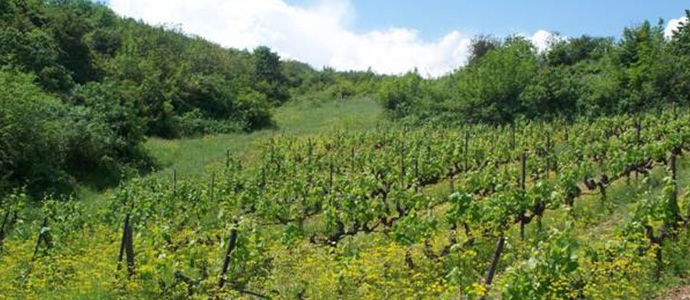
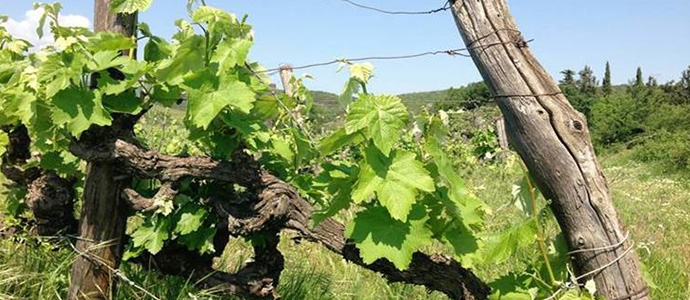
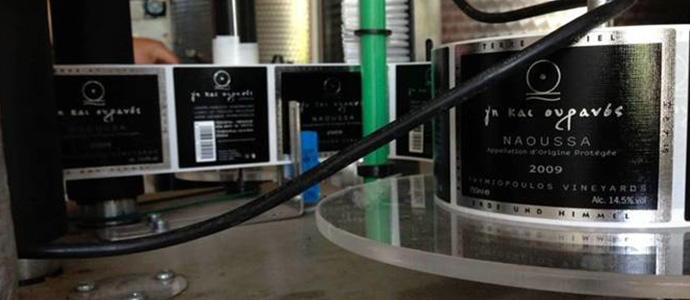

Apostolos Thymiopoulos, 31 years old, is without a doubt the rising star of Naoussa. His vines, cultivated according to biodynamic farming methods at an altitude of 180m in the southern sector of the appellation, are blessed with a goodly amount of sunshine. The terrain is comprised of Naoussa’s most geologically complex soils, made of lime-rich marlstone, schist and granite. Thymiopoulos focuses on expressing the freshness of the grapes and giving each vintage a unique signature. He shuns filtering and extraction and his wines are aged in vats and barrels the old-fashioned way as well as being hand-bottled. Their method is careful and unhurried; an artisanal approach.
The chosen one: Thymiopolous Vineyards Young Vines Xinomavro 2012
My impression:
Blackcurrant and raisins, dried herbs, flowers and even some licorice.
In the press:
Juicy red fruits-strawberry-sun-dried tomato sweetness, bit of leather and dried herbs- layer of sweet spice. Yum. Medium bodied, drag of fine chalky tannin makes its presence felt and firm but good quality acid shapes it up. It’s that bright kind of biting-into-a-fresh-strawberry acidity. Length is good with some sour cherry and dried herb. So delicious. Get into it!- Gary Walsh – The Wine Front
Has a lovely radiance in the glass, and seemingly aids in the delivery of forward, upfront fruit character in the form of juniper and cherry.
Smooth and clean in the mouth with good fruit character, cherry and plums in the main. The acid and tannin here combine to propel the wine forward further. Finishes drying, with the tannin most evident.
A little about the craftsman Apostolos Thymiopoulos:
1. How did you get involved in the world of wine?
The Thymiopoulos family has been growing vines for several generations. Stergios Thymiopoulos was the first one who got involved commercially by selling grapes to local wineries for many years. He was very serious in his approach and participated in research programs of the Vine and Wine Institute. When Apostolos, the eldest son of Thymiopoulos family finished school, the idea was born that the family should make its own wine. Towards that end he decided to study Oenology at the Technological Educational Institute of Athens, where he met his wife Eleftheria (she is also an oenologist). They then began planting new Xinomavro vines in their family vineyards.
2. What is your wine making philosophy?
Our philosophy is to produce authentic wines. We want people to recognise very clearly, the terroir , the variety and the hands off approach to winemaking. We follow natural methods in our vineyards and into the winery also.
3. If you could invite anyone from history, living or dead to your home for dinner, who would it be? What food would you serve? What wine would you serve?
I would invite farmer & teacher Masanobu Fukuoka (2 February 1913 – 16 August 2008), and offer him my Xinomavro Nature (without sulfites)
4. How do you like to spend your time away from the winery?
I spend many hours learning about herbs. I also spend my time walking or riding in the mountains collecting some of these herbs for use in my vineyards. With Eleftheria, we travel the world, meeting up with vignerons and friends.
5. Where else in the world have you studied, trained or worked a harvest? How did that influence your winemaking?
I have never worked anywhere out of Greece, when I started to produce wine I dedicated my training to Xinomavro and over the last 5 years, with Assyrtiko on Santorini.
Comments (0)